

Information about avalanches
General risk reduction measures:
- Educate yourself
- Stay informed on weather and avalanche situation, plan your tours
- Wear an avalanche transceiver, set it on TRANSMIT/SEND and check it, take an avalanche probe and shovel with you
- Continuously reassess the situation: weather, snow, terrain, people, schedule
- Traverse challenging sections and very steep slopes individually
The avalanche bulletin provides information on the current snow and avalanche conditions. It is a forecast and describes the general avalanche situation for a region but not for a single slope.

Avalanche danger level 1 (low). Generally favourable avalanche situation. No warning signs present. Avalanches can only be triggered in isolated cases, in particular on extremely steep slopes. Travel extremely steep slopes one person at a time and be alert to the danger of falling. Forecast for around 20 % of the winter season. Around 5 % of avalanche fatalities.
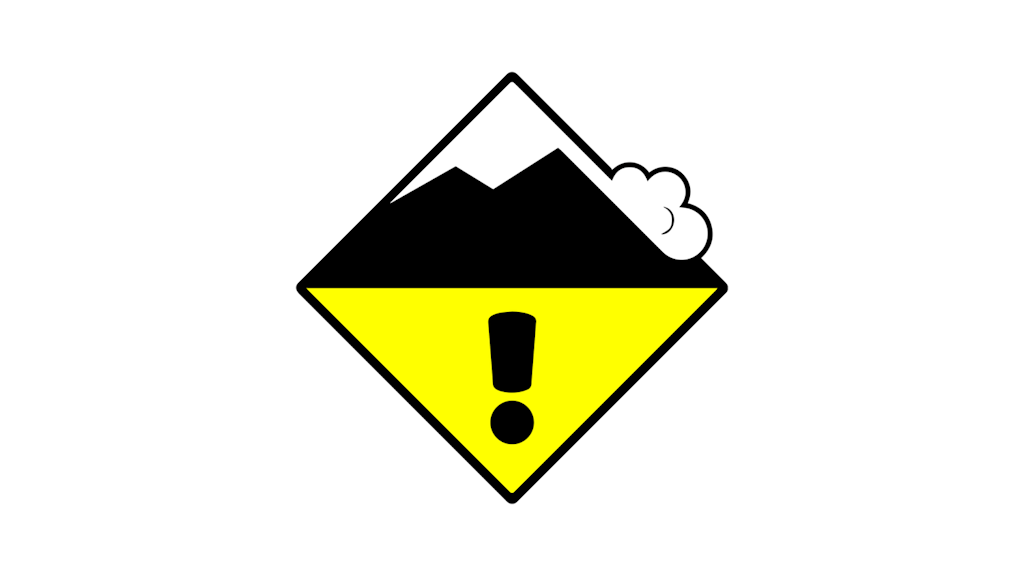
Avalanche danger level 2 (moderate). Mostly favourable avalanche situation.Warning signs can occur in isolated cases. Avalanches can be triggered in particular on very steep slopes with the aspect and elevation indicated in the avalanche bulletin. Relatively large natural avalanches are not to be expected. Routes should be selected carefully, especially on slopes with the aspect and elevation indicated in the avalanche bulletin. Travel very steep slopes one person at a time. Pay attention to unfavourable snowpack structure (persistent weak layers, old snow problem). Forecast for around 50 % of the winter season. Around 30 % of avalanche fatalities.
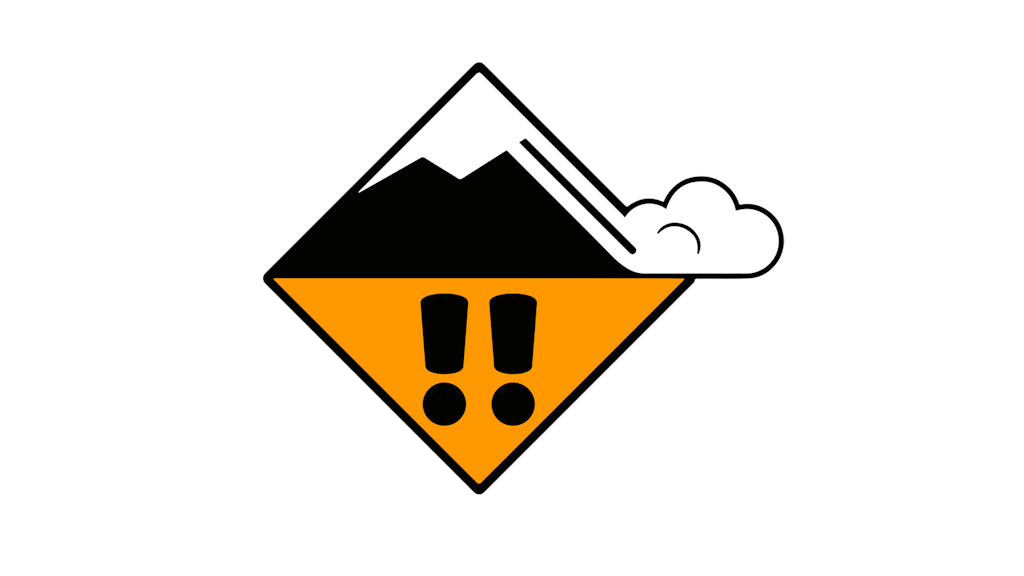
Avalanche danger level 3 (considerable). Critical avalanche situation. Whumpf sounds and shooting cracks are typical. Avalanches can easily be triggered, particularly on steep slopes with the aspect and elevation indicated in the avalanche bulletin. Natural avalanches and remote triggering can occur. The most critical situation for backcountry recreationists. Select best possible route and take action to reduce risks. Avoid very steep slopes with the aspect and elevation indicated in the avalanche bulletin. Unexperienced persons are advised to remain on open ski runs and trails. Forecast for around 30 % of the winter season. Around 50 % of avalanche fatalities.

Avalanche danger level 4 (high). Very critical avalanche situation. Natural and often very large avalanches are likely. Avalanches can easily be triggered on many steep slopes. Remote triggering is typical. Whumpf sounds and shooting cracks occur frequently. The most critical situation for backcountry recreationists. Select best possible route and take action to reduce risks. Avoid very steep slopes with the aspect and elevation indicated in the avalanche bulletin. Unexperienced people should remain on open ski runs and trails.Forecast only on a few days throughout the winter. Around 10 % of avalanche fatalities.

Avalanche danger level 5 (very high). Extraordinary avalanche situation. Numerous very large and extremely large natural avalanches can be expected. These can reach roads and settlements in the valley. You are advised not to engage in winter sports beyond open ski runs and trails. Very rarely forecast. Around 1 % of avalanche fatalities.

Portal for avalanche prevention and complete tour planning:
www.whiterisk.ch
Swiss avalanche bulletin (issued at 8 and 17h):
www.slf.ch
Information leaflet “Caution Avalanches”:
Achtung Lawinen PDF
White Risk - App
iTunes Appstore
Google Playstore
www.whiterisk.ch
Swiss avalanche bulletin (issued at 8 and 17h):
www.slf.ch
Information leaflet “Caution Avalanches”:
Achtung Lawinen PDF
White Risk - App
iTunes Appstore
Google Playstore
Federal Office of Topography swisstopo
Division Cartography
Seftigenstrasse 264
3084 Wabern
Seftigenstrasse 264
3084 Wabern