

Switzerland’s pyramids
You don’t expect to find pyramids in Switzerland, but it is quite possible that you have come across some while hiking or browsing through tourist brochures. Pyramids in Switzerland? How can that be possible?
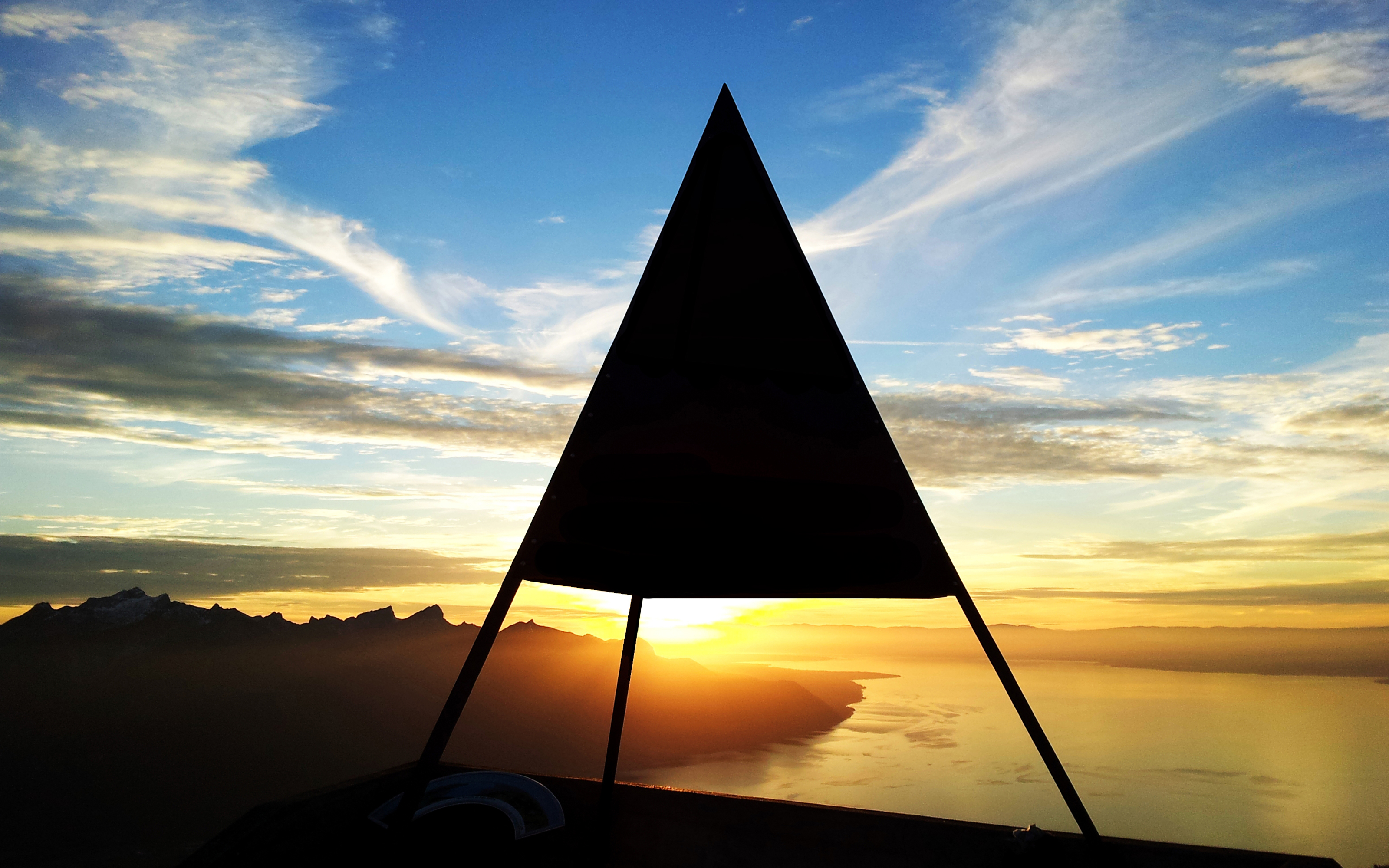
Since the late 19th century, fixed points (coordinates and altitudes known) have been needed to “measure” Switzerland and, ultimately, to create national topographic maps.
Fixed points and theodolite
These fixed points are represented in different ways in the landscape. They can be found in the form of cairns, posts and even more imposing, in the form of metal pyramids.
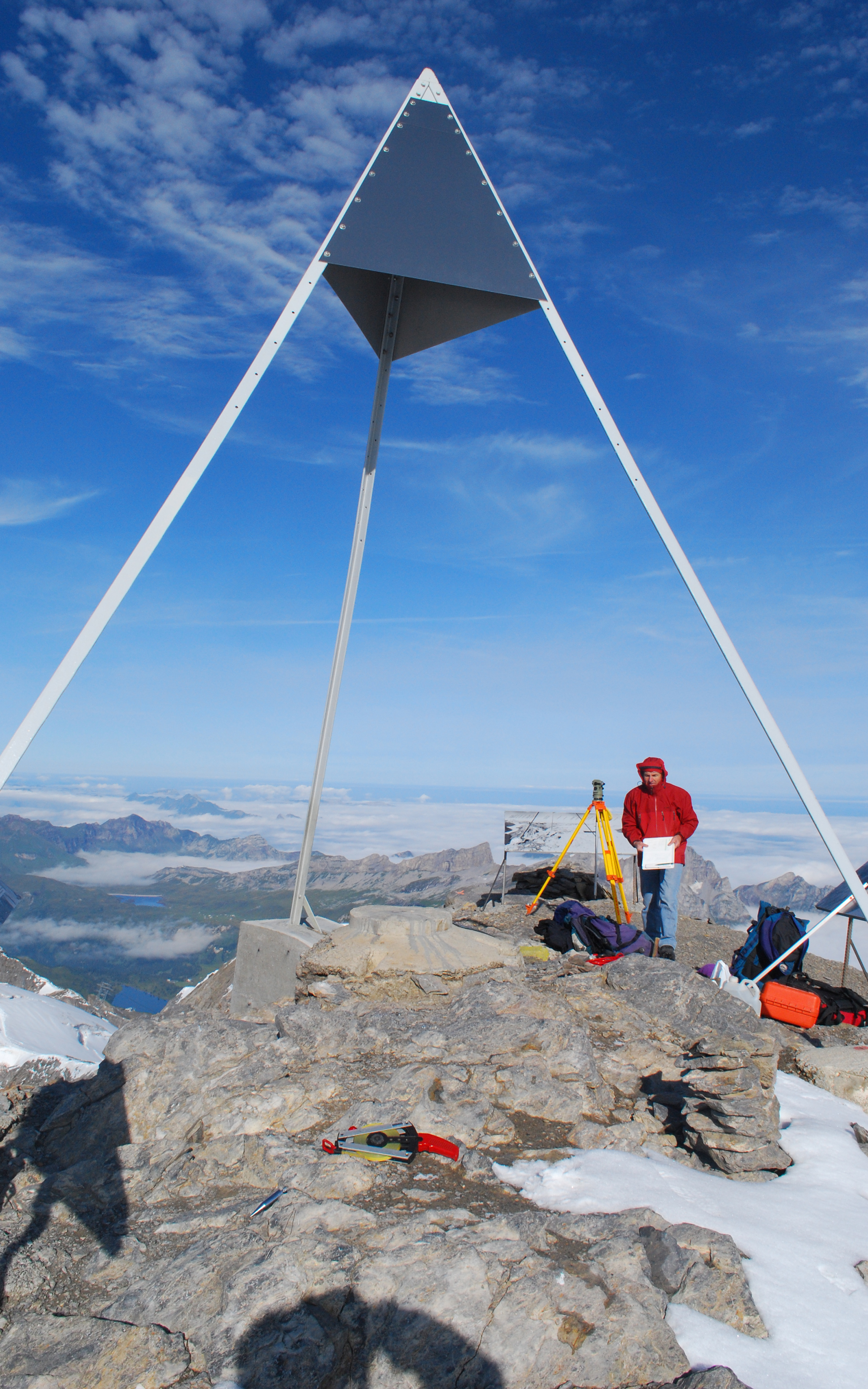
Located on the peaks, these pyramids are part of the national triangulation network. Their position affords an ideal field of view for calculating the coordinates of new points. This method of measurement is based on a three-point network, hence the name “triangulation”. The pyramid is centred around a fixed point on the ground and serves as a guide for taking measurements in the vicinity. The theodolite, a geodetic instrument, is used to carry out these triangulation calculations.
Maintaining a symbol
Between 1884 and 1970, some 80 metal pyramids were erected. With new instruments and measurement techniques evolving, particularly satellite navigation and GNSS (Global Navigation Satellite System), these pyramids are now gradually disappearing. Currently, 60 pyramids are still standing. They often represent a symbol of national and regional significance for a summit. Indeed, some places are often known for their pyramid peak. What would Mt. Rigi, La Berra, Mt. Pilatus or the Gurten be without these monuments that are so recognisable from afar? Exposed to numerous weather hazards, pyramids need specialist maintenance. swisstopo is responsible for a dozen pyramids and regularly carries out renovation work; the cantons and their land survey departments and sometimes private organisations support the Federal Office in this task.
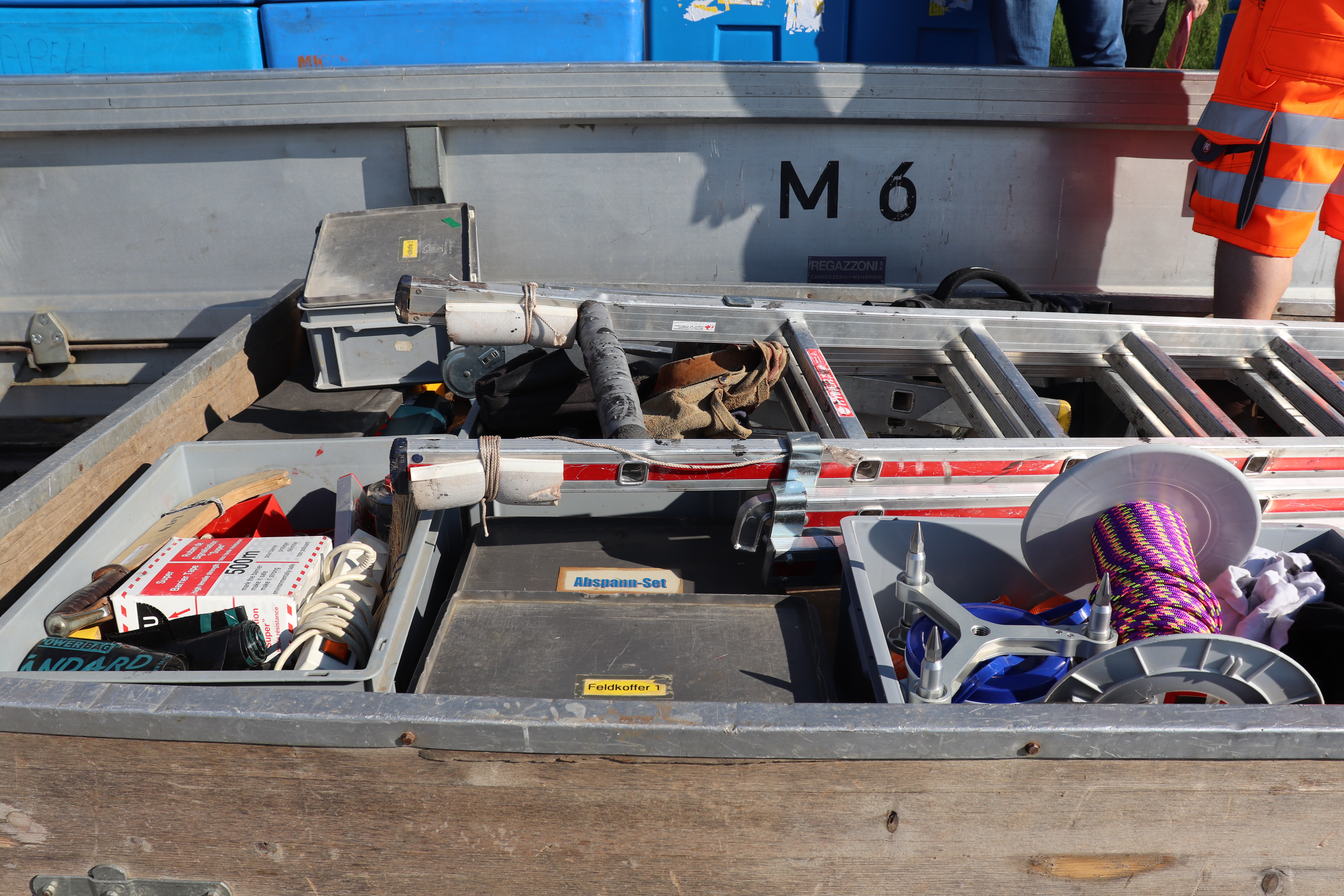
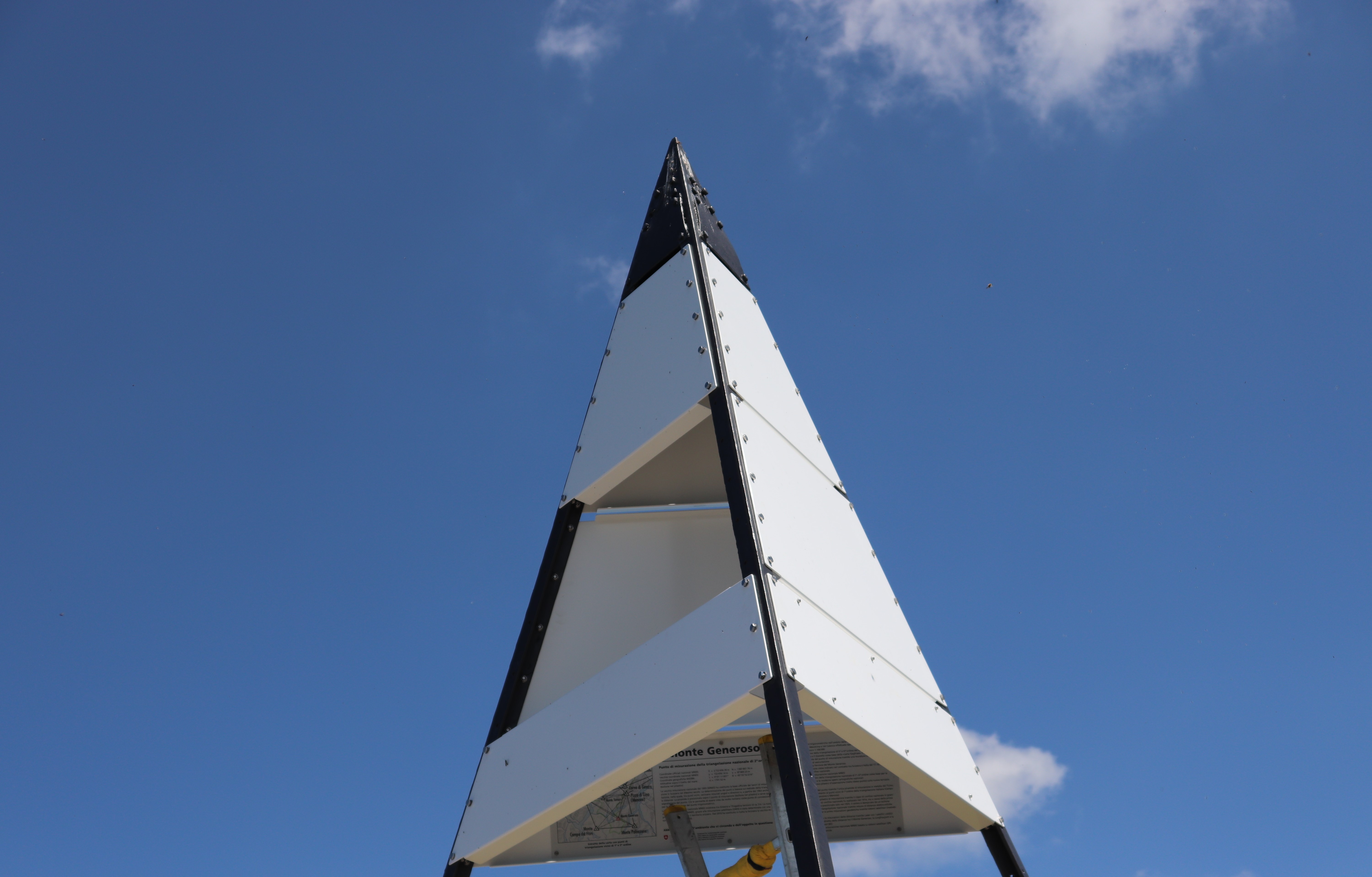
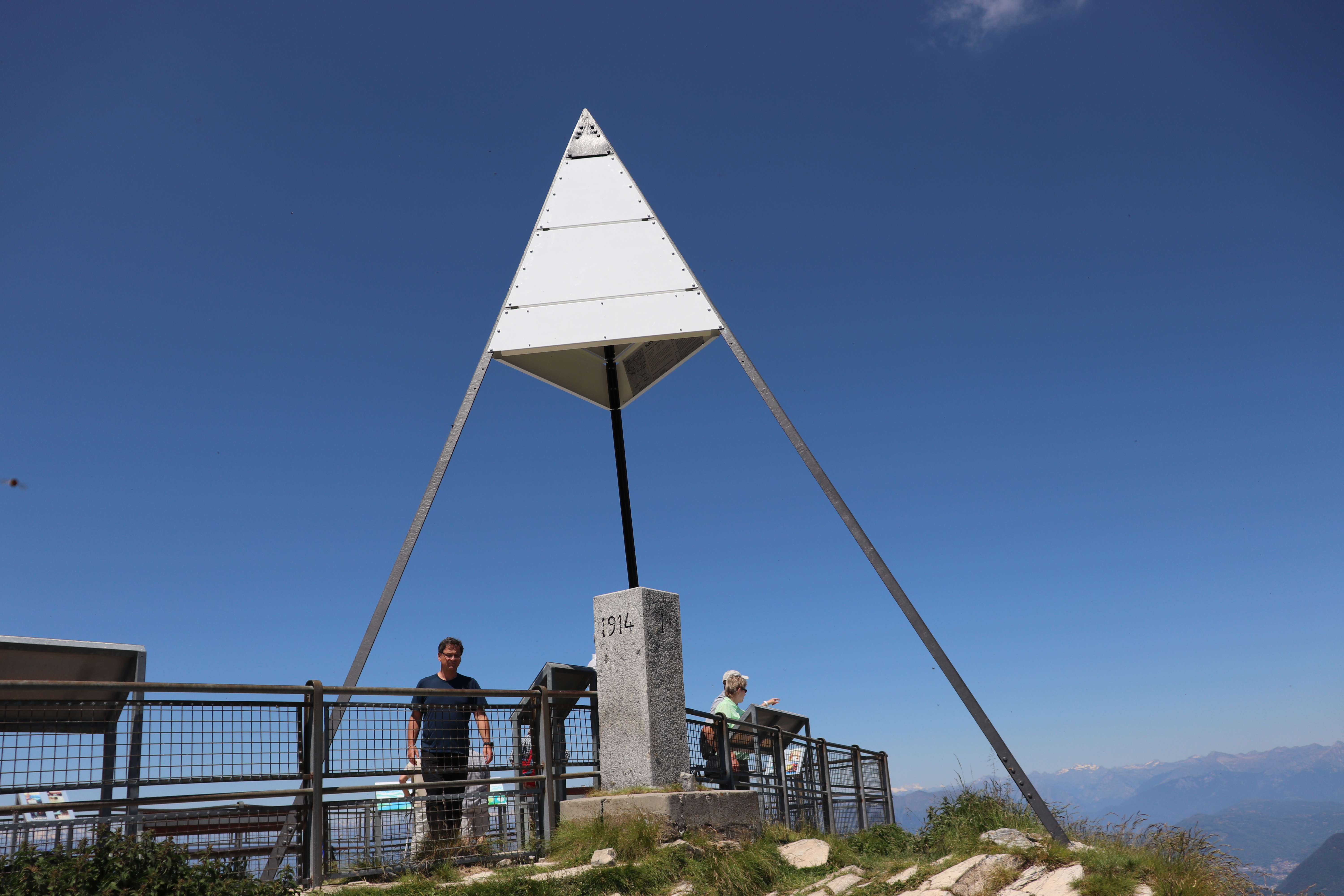
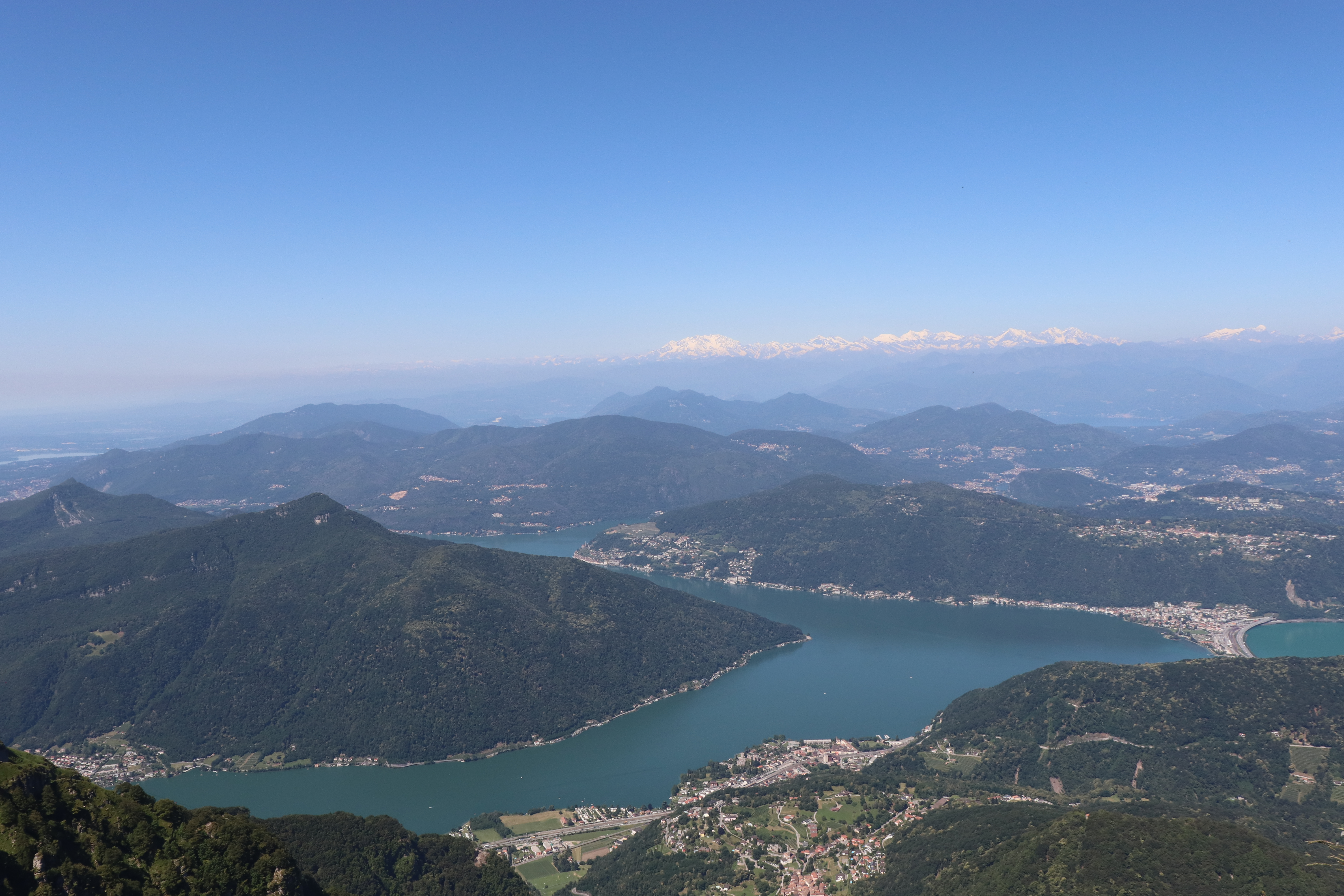
Erected in 1919 on the summit of Monte Generoso, Ticino’s one and only pyramid has been renovated several times since its construction. Its next renovation should have taken place in 2021 under normal circumstances. However, in view of the condition of the pyramid - rust has attacked the metal plates - the Federal Office of Topography decided to bring forward the construction date. As a result, the pyramid was restored to its former appearance in early summer 2020.


White or black
The pyramids are differentiated by their colour. Some are black and others white. This characteristic reflects a need for contrast in the landscape to make them easily identifiable for measurement purposes. For example, the Chasseral pyramid is black since limestone (white) predominates in the Jura Mountains.
A place on the map
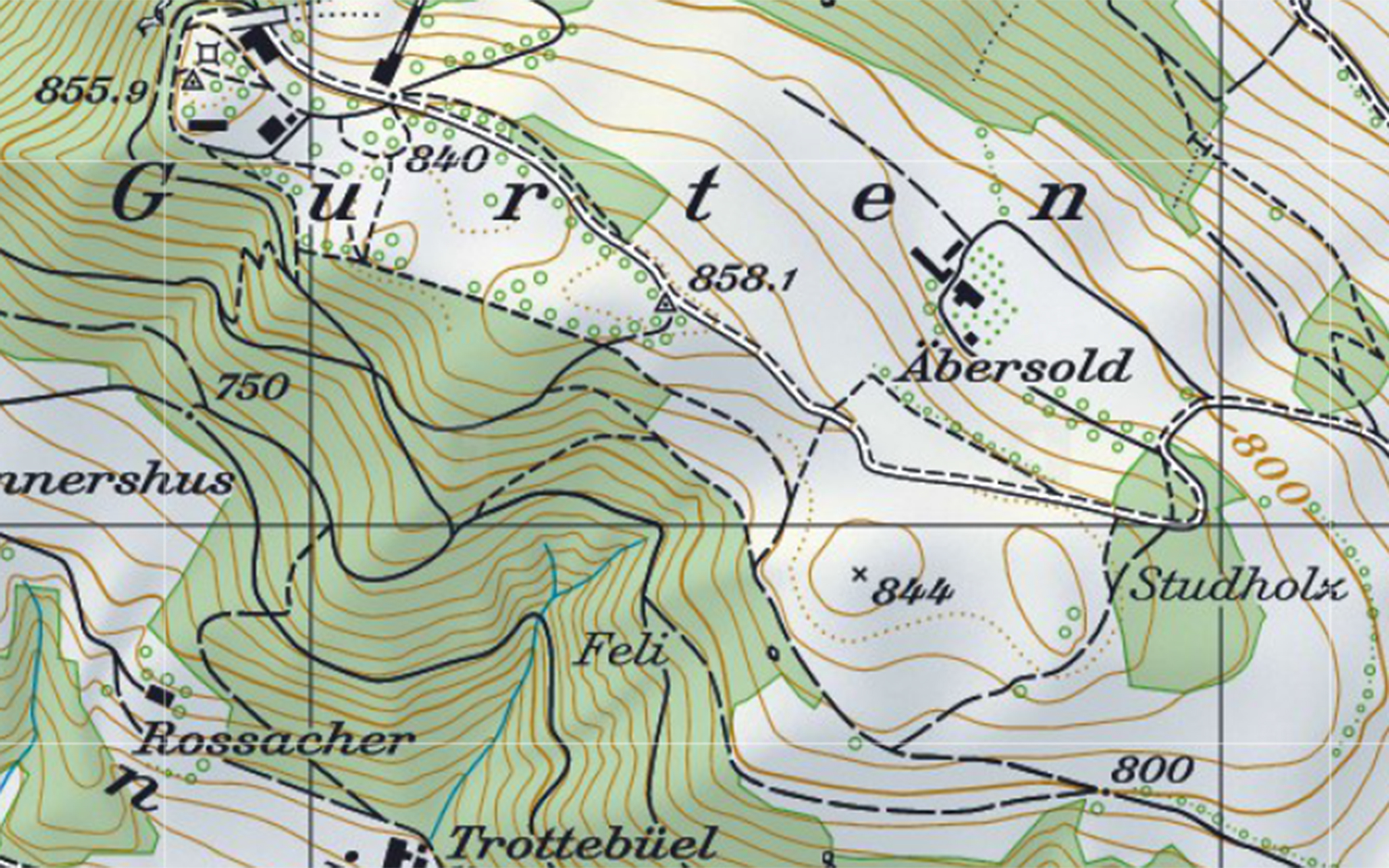
To browse all the peaks in your area, you can easily find the triangulation pyramids on the 1:10 000, 1:25,000, 1:50,000 and 1:100,000 maps with their conventional symbol of a triangle with a dot in the middle.
The future of the pyramids
As fixed points, the pyramids still serve their purpose as a means of surveying and orientation. This is equally the case with some church steeples and communication masts. Although now used less due to technological changes, the pyramids will always retain a prominent place in the landscape and in Swiss culture.
Perhaps they will be a destination for your next Swiss mountain excursion!
Federal Office of Topography swisstopo
Seftigenstrasse 264
3084 Wabern