swisstopo helps geothermal energy make a breakthrough
Heat generation accounts for 50 percent of national energy consumption and causes over 35 percent of our CO² emissions. To ensure a sustainable supply of heat and reduce dependency on foreign gas and oil, Switzerland depends on sources such as geothermal energy – heat from inside the Earth.
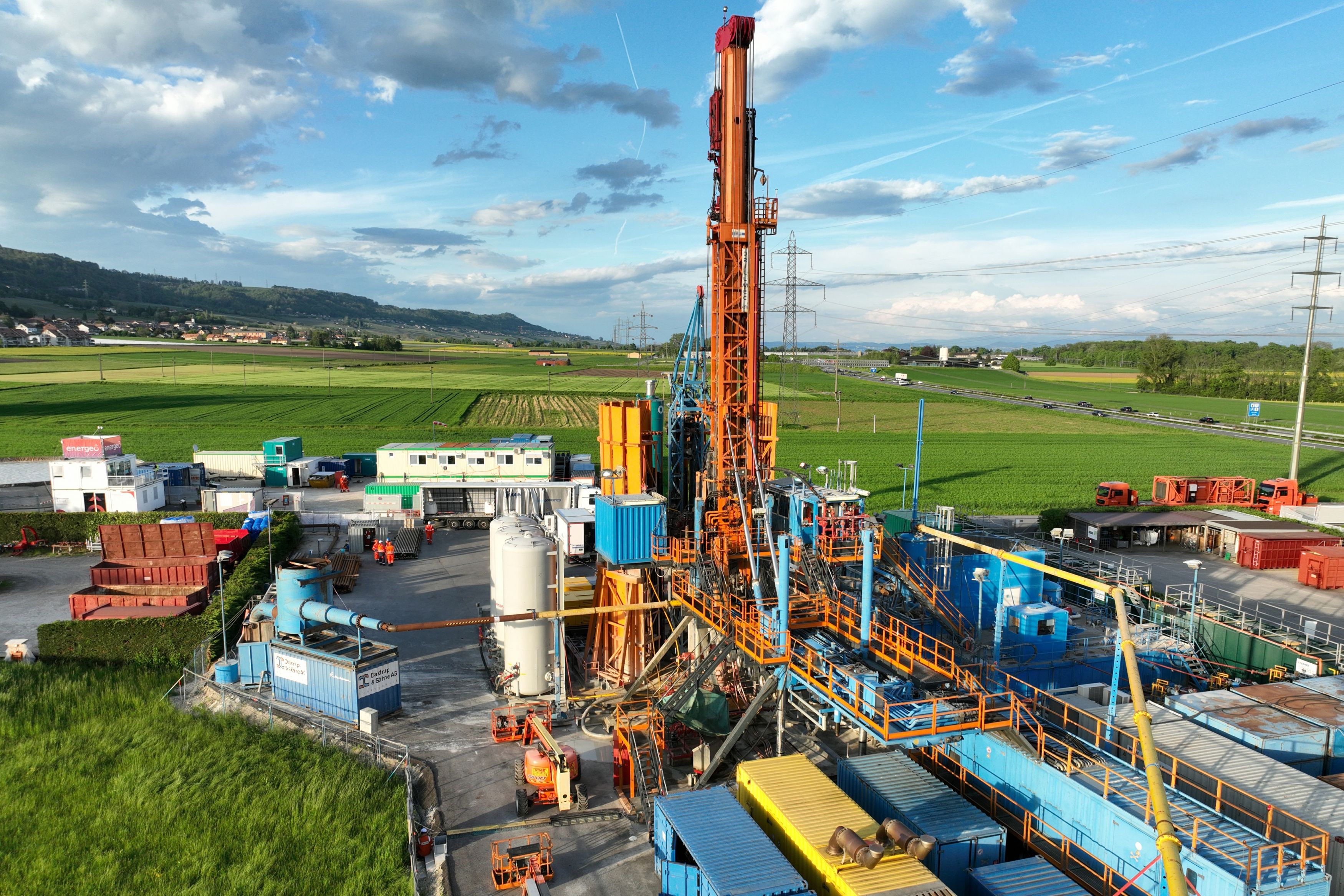
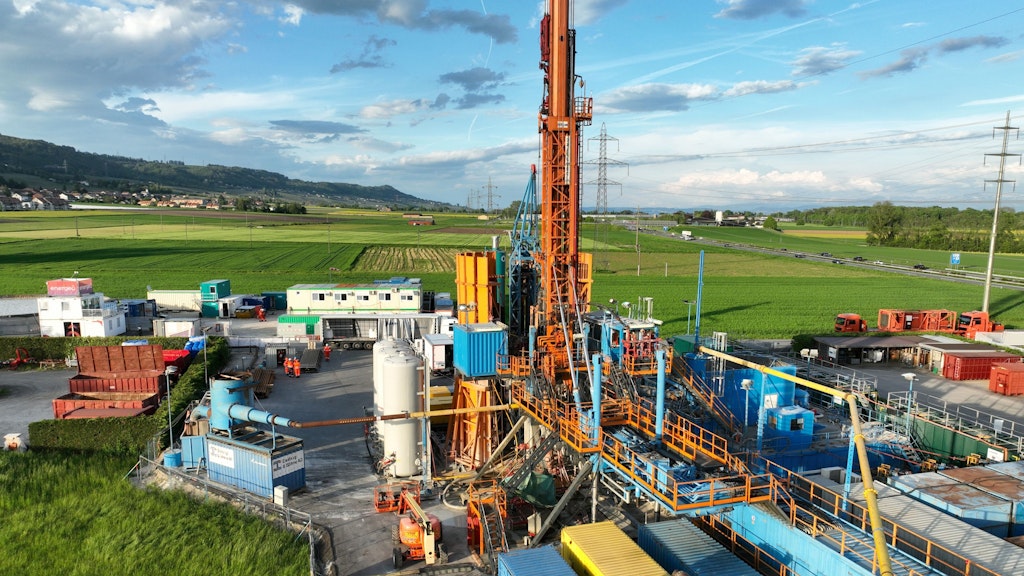
Geothermal heat increases by approx. 3 °C for every 100 metres of depth and it thus represents a virtually inexhaustible renewable energy source. This makes geothermal energy particularly suitable for district heating supply. Yet as the depth increases, so do the related costs and challenges. Exploratory activities are vital in order to analyse the structure of the deep subsurface in advance and keep the risks to a minimum.
Near-surface geothermal energy is already a widespread source of energy thanks to the use of geothermal probes and heat pumps. However, deep geothermal energy, which enables the direct use of geothermal heat and the generation of renewable energy, is not yet used in Switzerland to a sufficient extent. By providing information about the subsurface and participating in the evaluation of projects, swisstopo is committed to making geothermal energy a primary factor in Switzerland’s energy transition.
Additional content
Geoenergy
Heat from the subsurface has the potential to contribute to the heating and electricity supplies in Switzerland. As the independent federal competence centre for subsurface utilisation, the Swiss Geological Survey uses its geodata to promote the use of geothermal energy in Switzerland and supports the Swiss Federal Office of Energy (SFOE) in promoting deep geothermal energy projects.
Folio 2025 – For a safe Switzerland
Security extends far beyond the military sphere. It encompasses issues such as the prevention of natural hazards, the sustainable management and supply of resources, the protection of property rights, the stability of infrastructure and the provision of information to the public. Geodata plays a key role in all these areas.